Pre Pregnancy Checklist: The Complete Guide to Preparing for Baby with Confidence
Preparing for pregnancy is one of the most meaningful journeys in life. Whether you’re actively trying to conceive, planning for the future, or simply curious about where you stand, having a clear pre pregnancy checklist can remove uncertainty and replace it with calm confidence.
Pregnancy doesn’t come with a manual. Many first-time moms and expecting parents feel overwhelmed by the number of things they should know or prepare. Questions about health, finances, emotional readiness, and lifestyle changes can quickly pile up.
That’s exactly why structured tools like a pregnancy readiness checklist exist — to guide you step-by-step, gently showing what you’re already doing well and what areas may need attention.
This guide explains:
What a pre pregnancy checklist is
Why it matters
What problems it solves
How readiness tools work
How to interpret your results
And how to move forward confidently
What Is a Pre Pregnancy Checklist?
A pre pregnancy checklist is a structured assessment that helps you evaluate how prepared you are for pregnancy across multiple areas of life. Instead of focusing only on medical health, a good checklist looks at your full readiness picture:
Physical health
Nutrition habits
Emotional support
Financial stability
Living environment
Relationship readiness
Unlike generic lists online, an interactive pregnancy checklist actually measures your readiness level and provides personalized feedback based on your answers.
It doesn’t judge you. It doesn’t label you. It simply shows you where you stand.
Why Preparing Before Pregnancy Matters
Many people think preparation starts after they become pregnant. In reality, preparation before pregnancy can make a huge difference in both maternal health and baby outcomes.
Here’s why using a preparing for baby checklist is important:
1. It reduces anxiety
Knowing where you stand eliminates guesswork and helps you feel more in control.
2. It prevents surprises
You’ll identify gaps early — like missing vitamins, unclear finances, or lifestyle habits that may need adjustment.
3. It supports healthier pregnancies
Research consistently shows that preconception health influences pregnancy outcomes.
4. It strengthens relationships
Planning together builds trust and shared expectations between partners.
5. It gives you confidence
Instead of wondering “Am I ready?” you’ll actually know.
The Problem Most First-Time Moms Face
First-time moms often encounter three major challenges:
Information Overload
There’s too much advice online, and much of it contradicts itself.
Lack of Structure
Most articles list tips but don’t show how prepared you actually are.
Fear of Judgment
Some resources make women feel like they’re “behind” if they haven’t done everything.
A well-designed pregnancy checklist solves these problems by offering:
Clear steps
Gentle guidance
Personalized feedback
A measurable readiness score
How an Interactive Pregnancy Checklist Works
Instead of reading long lists and guessing what applies to you, an interactive checklist asks simple questions and calculates your readiness score automatically.
Each question typically has three answer options:
Yes
Not Sure
No
Each response has a value:
Yes = 2 points
Not Sure = 1 point
No = 0 points
At the end, your total score is converted into a percentage so you can easily understand your readiness level.
Understanding Readiness Scores
Your results fall into one of three categories:
🌸 Very Well Prepared (80–100%)
You’ve already built a strong foundation. Most essentials are in place, and you’re well positioned for pregnancy planning.
🌼 Moderately Prepared (55–79%)
You’re on the right path, but a few areas could benefit from attention.
💗 Needs Support (Below 55%)
You may want to focus on key preparation steps before moving forward. This doesn’t mean you’re unready — it simply means you have opportunities to strengthen your foundation.
The goal isn’t perfection. The goal is awareness.
Sections Included in a Complete Pregnancy Checklist
A high-quality pre pregnancy checklist covers multiple readiness categories. Let’s explore each one and why it matters.
🩺 Medical Readiness
Your physical health forms the foundation for pregnancy.
Questions in this section usually evaluate:
Recent medical checkups
Prenatal vitamin use
Blood type awareness
Existing conditions
Doctor consultations
Why this matters: Many pregnancy risks can be reduced when health conditions are managed before conception. Early preparation gives your body time to adjust.
Healthy habits support fertility and pregnancy wellness.
This section examines:
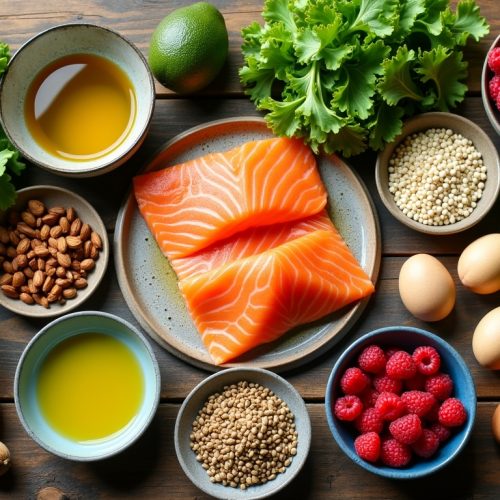
Balanced diet habits
Hydration levels
Physical activity
Sleep quality
Substance intake
Why this matters: Your body becomes your baby’s first environment. Strong habits now create a healthier start later.
🧠 Emotional & Mental Readiness
Pregnancy is not only physical — it’s emotional.
This category looks at:
Support systems
Stress management
Comfort asking for help
Emotional stability
Awareness of mental health resources
Why this matters: Emotional wellbeing directly affects pregnancy experience and postpartum adjustment.
💰 Financial Preparation
Babies bring joy — and expenses.
This section evaluates:
Budget planning
Insurance coverage
Maternity leave plans
Estimated hospital costs
Baby expense preparation
Why this matters: Financial clarity reduces stress and helps parents focus on bonding instead of worrying.
🏠 Lifestyle & Home Preparation
Your environment plays a major role in pregnancy comfort and newborn safety.
Typical checklist questions assess:
Safe living conditions
Space for baby
Emergency contacts
Parenting role discussions
Why this matters: Planning ahead prevents last-minute stress and allows a smoother transition.
🤝 Partner & Support System
No one should go through pregnancy alone.
This category explores:
Partner involvement
Shared expectations
Family or friend support
Partner knowledge
Why this matters: A strong support system improves emotional wellbeing and reduces postpartum stress.
Personalized Feedback: Why It’s Powerful
One of the best features of a readiness tool is its personalized feedback engine.
Instead of giving generic advice, it separates results into two helpful sections:
✅ Areas You’re Doing Well
These are your strengths — the things already working in your favor.
Seeing these reminds you that you’re not starting from zero.
⚠️ Areas to Focus on Next
These are opportunities for growth — not failures.
They show where small improvements could make pregnancy smoother and more comfortable.
Who Should Use a Pre Pregnancy Checklist?
This type of tool is helpful for many people, including:
First-time moms
Women planning pregnancy
Couples trying to conceive
Expecting parents
Baby shower planners
Partners wanting to prepare
Even if pregnancy is still months or years away, checking your readiness now helps you plan wisely.
Benefits of Using a Pregnancy Checklist Tool
Here’s what makes interactive tools more effective than static lists:
✔ Instant Results
No guessing. You immediately know your readiness level.
✔ Personalized Guidance
Advice is tailored to your answers.
✔ Encouraging Tone
Supportive feedback builds confidence instead of pressure.
✔ Easy to Use
No login, no complicated steps — just answer questions.
✔ Mobile Friendly
You can complete it anytime, anywhere.
How This Tool Solves Real Problems
Many women feel overwhelmed by pregnancy preparation because they don’t know:
What to prioritize
Where to start
What matters most
This checklist solves those problems by:
Problem
Solution
Confusion
Structured questions
Anxiety
Clear results
Overthinking
Simple scoring
Lack of direction
Personalized next steps
The Psychological Advantage of Preparation
Preparation doesn’t just organize your life — it calms your mind.
Knowing your readiness level helps:
Reduce uncertainty
Build confidence
Improve decision making
Strengthen communication with your partner
Prepared parents often report feeling more relaxed and emotionally stable during pregnancy.
Common Myths About Pregnancy Preparation
Let’s clear up a few misconceptions.
Myth 1: You must be perfectly ready
Truth: No one is ever 100% ready.
Myth 2: Only doctors can tell if you’re prepared
Truth: Self-assessment tools help you understand your readiness before medical consultations.
Myth 3: Planning early is unnecessary
Truth: Early preparation gives you time to improve health, finances, and lifestyle.
What To Do After Completing the Checklist
Once you get your results:
If You’re Very Well Prepared
Keep maintaining your healthy habits and continue learning.
If You’re Moderately Prepared
Choose 2–3 areas to improve first. Small steps create big progress.
If You Need Support
Focus on foundational areas like medical checkups, nutrition, or financial planning.
Remember: readiness is not fixed — it’s flexible. You can improve your score anytime.
Why Gentle Tools Matter
Pregnancy preparation should feel supportive, not stressful.
The best readiness tools are:
Calm in tone
Encouraging in feedback
Non-judgmental
Easy to understand
They guide you instead of pressuring you.
The Role of a Starter Pack in Preparation
After identifying readiness gaps, many parents benefit from structured resources such as starter guides, preparation kits, or planning bundles.
A well-designed pregnancy starter resource can help by:
Organizing tasks
Providing checklists
Explaining essentials
Reducing research time
Think of it as a roadmap rather than a rulebook.
Final Thoughts: Preparation Is a Journey, Not a Test
Using a pre pregnancy checklist isn’t about passing or failing. It’s about understanding your starting point.
Every parent begins their journey at a different stage. Some are financially ready but emotionally unsure. Others are physically healthy but need more planning. That’s completely normal.
The most important thing is awareness — because awareness leads to preparation, and preparation leads to confidence.
Pregnancy is one of life’s most meaningful transitions. With the right tools, support, and mindset, you can approach it feeling informed, calm, and empowered.
NowTrack Health helps you eat smarter with easy-to-use nutrition tools. Instantly analyze calories, protein, carbs, and vitamins in any dish using our Recipe Nutrition Calculator. Track your meals, plan balanced diets, and discover science-based insights for better health and fitness — all in one place.